
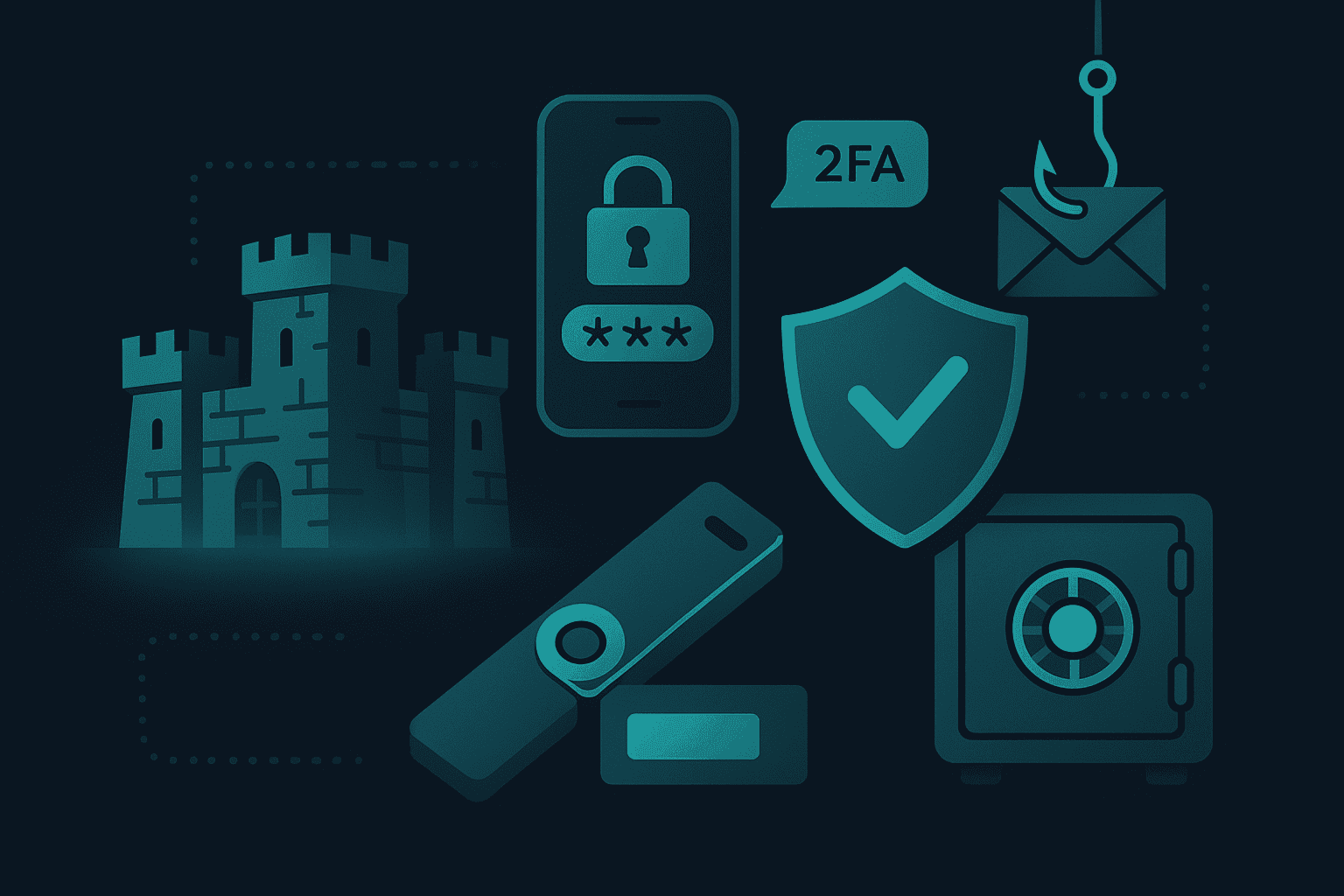
Guia de Segurança de Exchanges: Proteja Seus Fundos
Segurança de exchange é crítica para proteger seus investimentos em crypto. Este guia abrangente cobre como avaliar e melhorar a segurança de seus fundos.
Como Avaliar Segurança de Exchange
Histórico de Segurança
- Nunca foi hackeada: Kraken, Coinbase
- Hackeada mas recuperou: Binance (2019), KuCoin (2020)
- Múltiplos hacks: Evitar
Práticas de Custódia
- Cold Storage: 95%+ dos fundos offline
- Multi-sig: Carteiras multi-assinatura
- Hardware Security Modules: Proteção de chaves
- Segregação: Fundos separados de operations
Transparência
- Proof of Reserves: Auditorias regulares
- Security audits: Third-party assessments
- Incident reports: Transparency sobre problemas
- Insurance disclosure: Cobertura clara
Configurações de Segurança Pessoal
Autenticação
- 2FA obrigatório: Use TOTP (Google Auth, Authy)
- Evite SMS: SIM swapping risks
- Senhas únicas: Password manager
- Hardware keys: YubiKey para máxima segurança
Controles de Saque
- Address whitelist: Pré-aprove endereços
- Withdrawal delays: 24h cooling period
- Confirmações: Email + 2FA
- Limits: Daily withdrawal caps
Monitoramento
- Notifications: Login/withdrawal alerts
- Regular checks: Monitor balances
- Session management: Logout unused devices
- API security: Restrict API permissions
Red Flags de Segurança
- ❌ Atrasos frequentes de saque
- ❌ Lack of cold storage disclosure
- ❌ No insurance ou proof of reserves
- ❌ Múltiplos security incidents
- ❌ Poor customer service
Best Practices
- Use múltiplas exchanges (risk diversification)
- Hardware wallets para long-term storage
- Teste withdrawals regularmente
- Mantenha apenas trading amounts em exchanges
- Stay informed sobre security updates