
Copy Trading em Exchanges de Criptomoedas: Como Funciona
Copy trading permite que investidores repliquem automaticamente as estratégias de trading de traders experientes, democratizando o acesso a abordagens sofisticadas de trading enquanto fornece aos traders habilidosos uma fonte adicional de receita. Grandes exchanges de criptomoedas integraram recursos de copy trading que permitem aos usuários navegar pela performance dos traders, alocar fundos para múltiplas estratégias e executar trades automaticamente com base nas ações de seus líderes escolhidos. Entender como esses sistemas funcionam, seus benefícios e riscos, e como selecionar traders lucrativos é essencial para maximizar o sucesso do copy trading.
O que é Copy Trading?
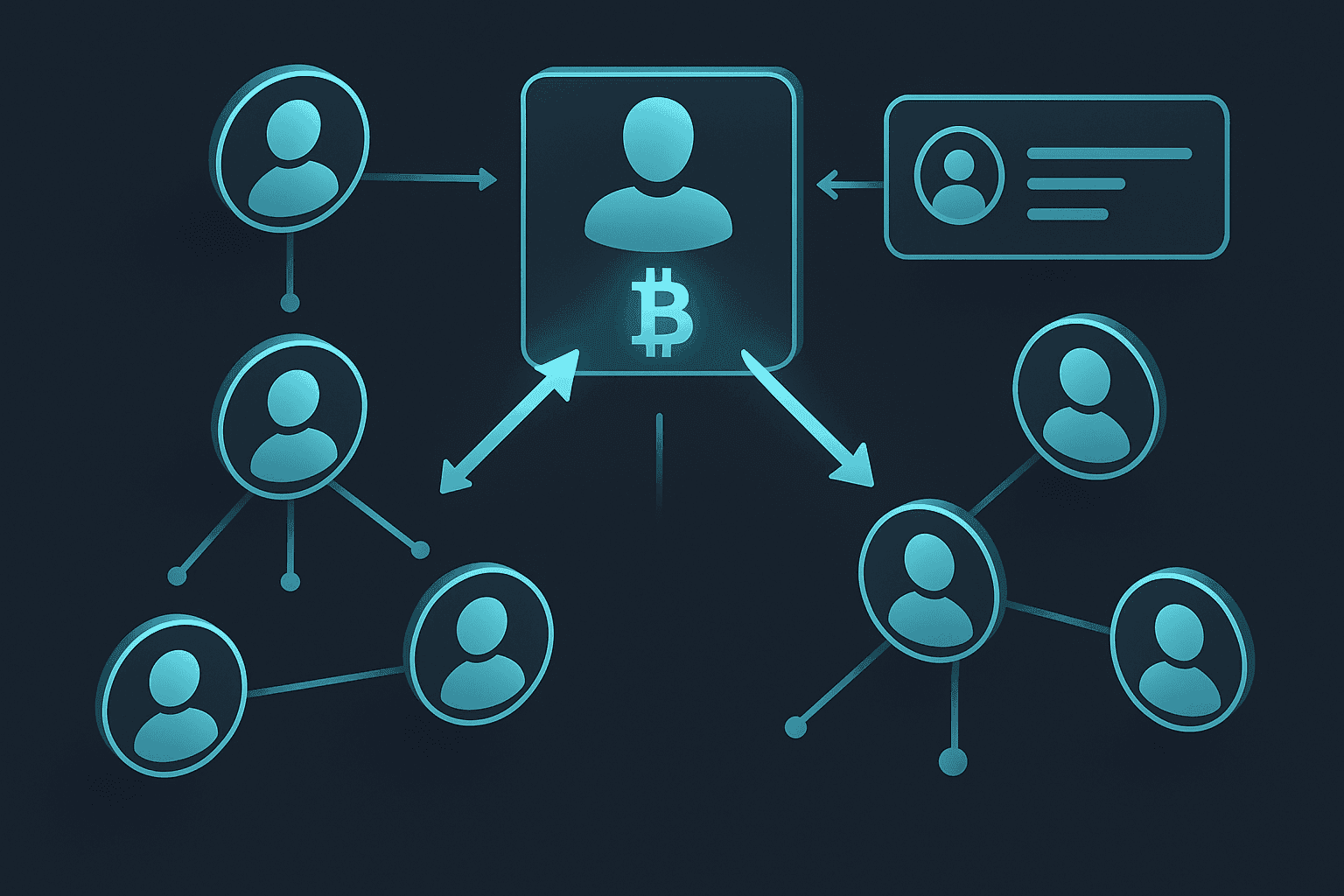
Copy trading é uma forma de trading automatizado onde sua conta espelha os trades de um "provedor de sinal" ou "líder de estratégia" selecionado. Quando o líder abre uma posição longa em Bitcoin com 10% de seu portfólio, sua conta automaticamente abre uma posição proporcional usando 10% de seus fundos alocados para copy trading. Isso cria uma conexão direta entre as decisões de trading do líder e a performance de seu portfólio, menos quaisquer diferenças de taxas ou slippage.
Componentes Principais
- Provedores de sinal: Traders experientes que permitem que outros copiem suas estratégias
- Copy traders (seguidores): Investidores que alocam fundos para replicar trades de líderes
- Plataforma: A exchange fornecendo a infraestrutura, correspondência e execução
- Taxas de performance: Arranjos de divisão de lucros entre líderes e seguidores
- Gestão de risco: Dimensionamento de posição, stop-losses e controles de alocação de portfólio
Como Funciona o Copy Trading
O Processo
- Navegar traders: Revisar métricas de performance, estratégias e perfis de risco de líderes disponíveis
- Alocar fundos: Decidir quanto capital dedicar a cada trader copiado
- Definir parâmetros: Configurar configurações de risco, tamanhos máximos de posição e níveis de stop-loss
- Auto-execução: A plataforma replica automaticamente os trades do líder em sua conta
- Monitorar performance: Acompanhar suas posições copiadas e performance geral do portfólio
- Ajustar ou parar: Modificar alocações, alterar configurações de risco ou parar de copiar a qualquer momento
Mecânica de Replicação de Trade
Quando um provedor de sinal executa um trade, a plataforma calcula tamanhos de posição proporcionais para todos os seguidores com base em seu capital alocado. Se um líder compra $1.000 de Bitcoin com um portfólio de $10.000 (alocação de 10%), um seguidor com $5.000 em fundos de cópia compraria automaticamente $500 de Bitcoin.
A maioria das plataformas oferece controles adicionais:
- Escalonamento de posição: Ajustar tamanhos de posição relativos à alocação do líder
- Limites máximos de posição: Limitar tamanhos individuais de trade para controlar risco
- Filtragem de ativos: Copiar apenas trades em criptomoedas específicas
- Controles baseados em tempo: Copiar apenas durante certas horas ou condições de mercado
Principais Exchanges Oferecendo Copy Trading
| Exchange | Nome do Recurso | Valor Mín. Cópia | Taxa de Performance | Ativos Disponíveis |
|---|---|---|---|---|
| Binance | Copy Trading | $10 | 10-20% dos lucros | 200+ spot & futuros |
| OKX | Copy Trading | $20 | 5-30% dos lucros | Spot, futuros, opções |
| Bybit | CopyTrade | $5 | 8-20% dos lucros | Futuros & spot |
| Bitget | CopyTrade | $10 | 8-12% dos lucros | Futuros principal |
| KuCoin | KuCoin Copy Trading | $10 | 10-20% dos lucros | Spot & futuros |
| eToro | CopyTrader | $200 | Modelo de spread fixo | Principais criptos + ativos tradicionais |
Selecionando Traders Lucrativos para Copiar
Métricas de Performance para Analisar
Copy trading bem-sucedido requer avaliação cuidadosa de provedores potenciais de sinal além apenas de seus retornos totais. Métricas principais a considerar incluem:
Métricas de Retorno
- Retorno total: Lucro/perda geral ao longo do histórico do trader
- Retornos mensais/anuais: Performance consistente em diferentes períodos de tempo
- Retornos ajustados ao risco: Índice de Sharpe e outras medidas de retorno por unidade de risco
- Comparação com benchmark: Performance versus manter Bitcoin ou outras estratégias simples
Avaliação de Risco
- Drawdown máximo: Maior declínio pico-a-vale na equidade do trader
- Volatilidade: Desvio padrão dos retornos e consistência da performance
- Taxa de vitória: Percentual de trades lucrativos, embora isso possa ser enganoso
- Relação vitória/perda média: Tamanho de trades vencedores relativo a trades perdedores
Comportamento de Trading
- Frequência de trade: Com que frequência o trader abre novas posições
- Tempos de manutenção de posição: Scalping de curto prazo versus posicionamento de longo prazo
- Uso de alavancagem: Nível de risco e potencial para grandes perdas
- Diversificação de ativos: Foco em ativos únicos versus diversificação de portfólio
Sinais de Alerta para Evitar
- Retornos extremamente altos: Alegações de retornos mensais consistentes de 20%+ geralmente são insustentáveis
- Histórico curto: Traders com menos de 6 meses de performance verificada
- Drawdowns altos: Drawdowns máximos excedendo 50% indicam tomada excessiva de risco
- Trading irregular: Longos períodos de inatividade seguidos por rajadas intensas de trading
- Posições super-alavancadas: Uso consistente de alavancagem máxima disponível
- Foco em ativo único: Traders que negociam apenas uma criptomoeda ou classe de ativos
Configurações de Gestão de Risco
Controles de Dimensionamento de Posição
A maioria das plataformas de copy trading oferece várias maneiras de controlar risco através do dimensionamento de posição:
- Cópia de proporção fixa: Espelhar percentuais exatos de posição do líder
- Cópia proporcional: Escalar posições com base em sua tolerância ao risco
- Cópia de valor fixo: Usar a mesma quantia em dólares para cada trade independentemente do tamanho do líder
- Limites máximos de posição: Limitar trades individuais a uma quantia específica em dólares ou percentual
Stop-Loss e Controles de Risco
| Controle de Risco | Propósito | Configurações Típicas | Considerações |
|---|---|---|---|
| Stop-loss | Limitar perdas em trades individuais | 5-15% por trade | Pode sair antes do líder |
| Take-profit | Fixar ganhos automaticamente | 10-30% por trade | Poderia perder movimentos maiores |
| Perda máxima diária | Prevenir perdas catastróficas de um único dia | 5-10% do capital de cópia | Pode perder oportunidades de recuperação |
| Drawdown máximo | Parar de copiar se perdas excederem limiar | 15-25% do capital de cópia | Considerar condições de mercado |
Estratégias de Diversificação
Em vez de copiar um único trader, muitos copy traders bem-sucedidos diversificam através de múltiplos provedores de sinal:
- Diversificação de estratégia: Misturar scalpers, swing traders e seguidores de tendência
- Diversificação de ativos: Combinar traders focados em diferentes criptomoedas
- Diversificação de risco: Equilibrar estilos de trading conservadores e agressivos
- Diversificação de horizonte temporal: Incluir traders orientados tanto ao curto quanto ao longo prazo
Taxas e Estrutura de Custos
Taxas de Performance
A maioria das plataformas de copy trading usa um modelo de compartilhamento de lucros onde provedores de sinal recebem uma porcentagem dos lucros que geram para seguidores. Essas taxas tipicamente variam de 8-30% e são cobradas apenas em períodos lucrativos.
Taxas da Plataforma
Além das taxas de performance pagas aos traders, plataformas podem cobrar:
- Taxas de gestão: Taxas anuais de 1-2% de ativos copiados (raras em crypto)
- Taxas de execução: Taxas de trading padrão para trades executados
- Taxas de assinatura: Taxas mensais para acessar traders premium ou recursos
- Taxas de saque: Taxas padrão de saque da exchange ao mover fundos
Análise de Impacto de Taxa
Considere o impacto total de custos ao avaliar copy trading:
| Cenário | Retorno do Trader | Taxa de Performance | Seu Retorno Líquido | Taxa Efetiva |
|---|---|---|---|---|
| Performance forte | +50% | 15% do lucro | +42,5% | 15% dos ganhos |
| Performance moderada | +20% | 15% do lucro | +17% | 15% dos ganhos |
| Break-even | 0% | Sem taxa de performance | -0,2% | Apenas taxas de trading |
| Perdas | -20% | Sem taxa de performance | -20,2% | Apenas taxas de trading |
Copy Trading vs Trading Manual
Vantagens do Copy Trading
- Economia de tempo: Não precisa pesquisar mercados ou executar trades manualmente
- Acesso à expertise: Beneficiar-se do conhecimento e habilidades de traders experientes
- Disciplina emocional: Reduzir tomada de decisão emocional em mercados voláteis
- Diversificação: Acessar múltiplas estratégias de trading simultaneamente
- Oportunidade de aprendizado: Observar abordagens de trading bem-sucedidas em tempo real
- Potencial de renda passiva: Gerar retornos sem participação ativa no mercado
Desvantagens e Riscos
- Taxas de performance: Reduzir retornos gerais através de arranjos de compartilhamento de lucros
- Sem controle: Não pode sair de posições individuais ou anular decisões do trader
- Dependência de plataforma: Depender da infraestrutura e qualidade de execução da exchange
- Diferenças de slippage: Seus preços de execução podem diferir dos do provedor de sinal
- Mudanças de estratégia: Traders podem alterar abordagens sem aviso
- Risco de caixa preta: Transparência limitada em processos de tomada de decisão do trader
Quando Copy Trading Faz Sentido
- Tempo limitado: Você não pode dedicar tempo significativo ao trading ativo
- Fase de aprendizado: Você é novo no trading de crypto e quer observar profissionais
- Abordagem passiva: Você prefere estratégias de investimento sem interferência
- Diversificação de risco: Você quer exposição a múltiplas abordagens de trading
- Limitações de habilidade: Você não tem análise técnica ou experiência em trading
Quando Trading Manual é Melhor
- Sensibilidade a custos: Você quer minimizar taxas e reter todos os lucros
- Preferência por controle: Você quer controle total sobre timing de entrada e saída
- Customização de estratégia: Você tem abordagens de trading específicas ou visões de mercado
- Nível de experiência: Você tem habilidades comprovadas de trading e histórico
- Timing de mercado: Você quer ajustar posições com base em eventos atuais
Melhores Práticas para Sucesso em Copy Trading
Pesquisa e Due Diligence
- Analisar performance de longo prazo: Olhar performance através de diferentes condições de mercado
- Entender a estratégia: Saber se você está copiando scalpers, swing traders ou seguidores de tendência
- Verificar consistência: Procurar performance estável em vez de picos e vales dramáticos
- Verificar histórico: Garantir que dados de performance sejam verificados e não simulados
Gestão de Portfólio
- Começar pequeno: Começar com alocações modestas para testar traders e funcionalidade da plataforma
- Diversificar entre traders: Não colocar todo capital com um único provedor de sinal
- Monitoramento regular: Revisar performance mensalmente e ajustar alocações conforme necessário
- Definir expectativas realistas: Esperar volatilidade e períodos de underperformance
Gestão de Risco
- Usar stop-losses: Definir stop-losses ao nível de portfólio para prevenir perdas catastróficas
- Limitar alocação: Nunca fazer copy trading com mais de 20-30% de seu portfólio total de crypto
- Monitorar drawdowns: Estar preparado para parar de copiar se perdas excederem sua tolerância
- Rebalanceamento regular: Ajustar alocações com base na performance e condições de mercado em mudança
Considerações Fiscais e Regulatórias
Implicações Fiscais
Copy trading cria as mesmas obrigações fiscais que trading manual na maioria das jurisdições:
- Ganhos/perdas de capital: Cada trade copiado gera eventos tributáveis
- Taxas de performance: Podem ser dedutíveis como despesas de investimento em algumas jurisdições
- Manutenção de registros: Manter registros detalhados de todos os trades copiados e taxas
- Trading frequente: Cópia de alta frequência pode ser classificada como renda empresarial
Status Regulatório
Copy trading existe em uma área cinzenta regulatória em muitas jurisdições. Algumas considerações:
- Aconselhamento de investimento: Provedores de sinal podem estar fornecendo aconselhamento de investimento sem licença
- Regulamentação de plataforma: Plataformas de copy trading podem precisar de licenciamento adicional
- Proteção ao consumidor: Recurso limitado se copy trading resultar em perdas
- Jurisdição importa: Regras diferentes se aplicam baseadas em sua localização e registro da plataforma
O Futuro do Copy Trading
Melhorias Tecnológicas
- Seleção aprimorada por IA: Machine learning para identificar performers consistentes
- Ferramentas de gestão de risco: Dimensionamento de posição e controles de risco mais sofisticados
- Cópia cross-plataforma: Capacidade de copiar traders através de diferentes exchanges
- Analytics de performance: Melhores ferramentas para analisar e comparar performance de traders
Evolução do Mercado
À medida que o copy trading amadurece, esperamos ver:
- Provedores profissionais de sinal: Equipes de trading de nível institucional oferecendo serviços de cópia
- Clareza regulatória: Regras mais claras em torno de plataformas de copy trading e provedores de sinal
- Transparência aprimorada: Melhor divulgação de estratégias de trading e fatores de risco
- Taxas mais baixas: Competição aumentada reduzindo taxas de performance
Começando
Se você decidir explorar copy trading, comece conservadoramente:
- Escolher uma plataforma respeitável: Selecionar exchanges com recursos fortes de copy trading e bons históricos
- Começar com contas demo: Muitas plataformas oferecem paper trading para estratégias de copy trading
- Alocar conservadoramente: Começar com pequenas quantias para entender o processo e riscos
- Diversificar imediatamente: Copiar múltiplos traders com abordagens diferentes
- Monitorar ativamente: Acompanhar performance e estar preparado para fazer ajustes
Copy trading pode ser uma ferramenta valiosa para acessar estratégias de trading de crypto sem o compromisso de tempo do trading ativo. No entanto, não é um caminho garantido para lucros e requer seleção cuidadosa de traders, gestão de risco e monitoramento contínuo.
Para análise detalhada de recursos de copy trading em diferentes exchanges, incluindo comparações de taxas e capacidades de plataforma, visite nossa ferramenta de comparação de exchanges. Nossa metodologia CryptoScore inclui disponibilidade e qualidade de copy trading como fatores em nossos rankings gerais de exchanges.