
Média de Custo em Dólares em Exchanges Crypto: Melhores Plataformas e Como Configurar
A Média de Custo em Dólares (DCA) emergiu como uma das estratégias de investimento mais eficazes para criptomoedas, permitindo aos investidores reduzir o impacto da volatilidade enquanto constroem posições ao longo do tempo. Com as oscilações de preço notórias das criptomoedas, o investimento sistemático através de compras regulares pode entregar retornos ajustados ao risco superiores comparado com compras de quantia única. Este guia abrangente analisa as melhores exchanges para estratégias DCA, compara estruturas de taxas, e fornece instruções passo a passo para configurar investimentos recorrentes automatizados.
Entendendo Média de Custo em Dólares em Crypto
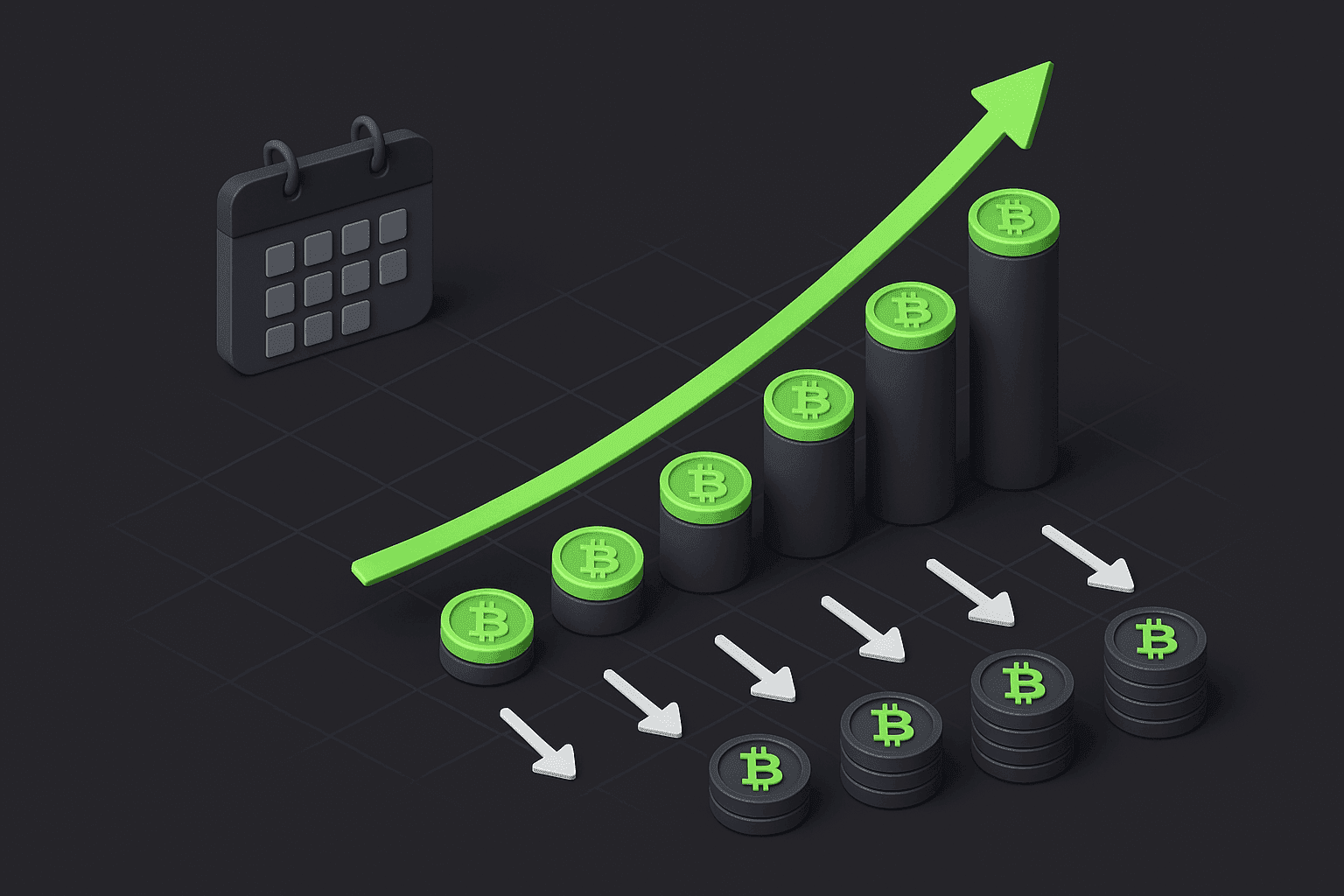
A Média de Custo em Dólares envolve investir uma quantia fixa em intervalos regulares independentemente do preço do ativo. Quando os preços estão altos, seu investimento fixo compra menos unidades; quando os preços estão baixos, você adquire mais unidades. Ao longo do tempo, esta abordagem mecânica resulta em um preço de compra médio tipicamente menor que tentar cronometrar o mercado.
Por Que DCA Funciona Particularmente Bem para Crypto
- Volatilidade Extrema: A volatilidade de 30 dias do Bitcoin frequentemente excede 60%, tornando o timing quase impossível
- Mercados 24/7: Crypto nunca fecha, eliminando considerações de timing de fim de semana/feriado
- Neutralidade Emocional: Remove emoção das decisões de investimento durante extremos de mercado
- Acessibilidade: Mínimos baixos permitem DCA com pequenas quantias (R$50-R$250 por semana)
- Crescimento de Longo Prazo: Dados históricos mostram que crypto recompensa acumulação paciente e sistemática
DCA vs Quantia Única: A Matemática
Pesquisa da Cambridge Associates mostra que DCA tipicamente reduz volatilidade do portfólio em 15-25% enquanto entrega 85-95% dos retornos de quantia única sobre períodos longos. Para ativos com alta volatilidade como Bitcoin, este trade-off frequentemente resulta em melhor performance ajustada ao risco e comportamento de investidor melhorado.
Melhores Exchanges Crypto para Média de Custo em Dólares
1. Coinbase (CryptoScore: 87/100)
Plataforma DCA Mais Amigável ao Usuário
Configuração de compras recorrentes suave com integração de conta bancária e execução automática.
Funcionalidades DCA Coinbase:
- Compras Recorrentes: Automação diária, semanal, quinzenal ou mensal
- Integração Bancária: Transferências ACH diretas de contas correntes
- Estrutura de Taxas: 0,5% para compras recorrentes (menor que o 1,49% padrão)
- Seleção de Ativos: 200+ criptomoedas disponíveis para DCA
- Rebalanceamento de Portfólio: Alocação automática através de múltiplos ativos
- Integração Educacional: Coinbase Earn fornece financiamento adicional para DCA
Processo de Configuração:
- Conectar conta bancária com verificação de micro-depósito
- Navegar para Portfólio → Compras recorrentes
- Selecionar criptomoeda e valor de investimento
- Escolher frequência (diário/semanal/mensal)
- Definir data de início e condições de fim opcionais
Prós: Excelente UX, execução confiável, proteção regulatória, ferramentas de portfólio
Contras: Taxas mais altas que concorrentes, foco nos EUA, funcionalidades avançadas limitadas
Melhor Para: Investidores americanos priorizando simplicidade e proteção regulatória
2. Kraken (CryptoScore: 86/100)
Taxas DCA Mais Baixas
DCA de nível profissional com agendamento avançado e taxas mínimas.
Vantagens DCA Kraken:
- Taxas Ultra-Baixas: 0,16-0,26% taxas maker para ordens DCA
- Agendamento Avançado: Intervalos personalizados, otimização de hora do dia
- DCA Stacking: Staking automático de moedas compradas para yield adicional
- Ferramentas Profissionais: Analytics DCA, rastreamento de base de custo, relatórios fiscais
- Acesso Global: Disponível em 48 países com banking local
- Integração API: Estratégias DCA personalizadas através de automação API
Funcionalidades Únicas:
- DCA ponderado por tempo que evita horários pico de trading
- DCA condicional baseado em níveis de preço ou volatilidade
- Pausa/retomada DCA durante extremos de mercado
- DCA multi-ativo com rebalanceamento automático
Prós: Taxas mais baixas, funcionalidades avançadas, disponibilidade global, integração staking
Contras: Interface complexa para iniciantes, suporte ao cliente mais lento
Melhor Para: Investidores experientes otimizando para taxas mínimas e funcionalidades avançadas
3. Gemini (CryptoScore: 84/100)
Melhor Segurança e Conformidade
Segurança de nível bancário com serviços DCA regulamentados e custódia institucional.
Segurança DCA Gemini:
- Liderança Regulatória: Primeira exchange crypto com certificação SOC 2 Type 2
- Cobertura de Seguro: Seguro FDIC completo em depósitos USD
- Armazenamento Frio: 95% dos ativos crypto em armazenamento offline
- Integração ActiveTrader: Taxas menores (0,35%) ao usar interface avançada
- Nível Institucional: Mesma infraestrutura usada por hedge funds e instituições
- Taxas Transparentes: Sem custos ocultos ou taxas surpresa
Implementação DCA:
- Mínimo compra recorrente: R$125 por transação
- Frequências: Diário, semanal, quinzenal, mensal
- Auto-transferência de contas bancárias
- Notificações por email para cada compra
- Integração abrangente de relatórios fiscais
Prós: Excelente segurança, conformidade regulatória, taxas transparentes, infraestrutura institucional
Contras: Mínimos mais altos, seleção de ativos limitada, disponibilidade apenas nos EUA
Melhor Para: Investidores conscientes da segurança e instituições requerendo conformidade regulatória
4. Binance (CryptoScore: 83/100)
Maior Seleção de Ativos
DCA através de 350+ criptomoedas com agendamento flexível e acesso global.
Flexibilidade DCA Binance:
- Seleção Massiva: 350+ criptomoedas disponíveis para investimento recorrente
- Planos Auto-Invest: DCA de ativo único ou portfólio com rebalanceamento
- Descontos de Taxa BNB: 25% redução em taxas DCA com pagamento BNB
- Cobertura Global: Disponível mundialmente exceto jurisdições restritas
- Múltiplos Métodos de Pagamento: Transferência bancária, cartão de crédito, opções P2P
- Earn Integrado: Staking/poupança automática para compras DCA
Funcionalidades DCA Avançadas:
- DCA estilo fundo de índice através de múltiplos ativos
- Ajustes DCA baseados em performance
- Estratégias DCA copy trading de profissionais
- DCA de futuros para acumulação alavancada
Prós: Enorme variedade de ativos, opções flexíveis, acesso global, descontos BNB
Contras: Incerteza regulatória, interface complexa, taxas mais altas sem BNB
Melhor Para: Investidores avançados querendo máxima variedade de ativos e acesso global
5. Swan Bitcoin (DCA Especializado)
Especialista DCA Bitcoin
Construído especificamente para DCA Bitcoin com execução e custódia de nível institucional.
Otimização DCA Swan Bitcoin:
- Apenas Bitcoin: Foco a laser em acumulação ótima de Bitcoin
- Qualidade de Execução: Algoritmos de trading profissionais minimizam slippage
- Taxas Baixas: 0,99% custo all-in incluindo custódia e execução
- Saque Automático: Opções de auto-custódia com transferências automáticas
- Recursos Educacionais: Educação e pesquisa abrangente sobre Bitcoin
- Parcerias Institucionais: Mesma execução usada por family offices
Prós: Especialização Bitcoin, execução superior, taxas baixas, integração auto-custódia
Contras: Apenas Bitcoin, foco nos EUA, funcionalidades de trading limitadas
Melhor Para: Maximalistas Bitcoin priorizando acumulação sobre trading
Análise de Impacto de Taxas DCA
Taxas impactam significativamente retornos DCA de longo prazo. Uma diferença de taxa de 1% em DCA semanal de R$500 sobre 4 anos equivale aproximadamente R$10.400 em custos adicionais (R$1.040.000 total investido × 1%). Esta análise compara custos totais através das principais plataformas:
| Exchange | Taxa DCA | Custo Anual (R$26.000 DCA) | Diferença Custo 4 Anos |
|---|---|---|---|
| Kraken | 0,16-0,26% | R$41,60-R$67,60 | Linha Base |
| Binance (com BNB) | 0,075% | R$78,00 | +R$145 |
| Gemini ActiveTrader | 0,35% | R$91,00 | +R$195 |
| Coinbase | 0,5% | R$130,00 | +R$350 |
| Binance (padrão) | 0,1% | R$104,00 | +R$250 |
Guias de Configuração DCA Passo a Passo
Configuração Compras Recorrentes Coinbase
- Configuração de Conta: Completar verificação KYC e vincular conta bancária
- Navegar para Recorrente: Aba Portfólio → seção "Compras recorrentes"
- Selecionar Ativo: Escolher criptomoeda de 200+ opções
- Definir Quantia: Mínimo R$125, máximo R$125.000 por transação
- Escolher Frequência: Diário, semanal (mais popular), quinzenal, ou mensal
- Método de Pagamento: Selecionar conta bancária vinculada para taxas menores
- Revisar e Confirmar: Verificar quantia, frequência, e data de início
- Monitorar: Rastrear compras em Portfólio → seção Histórico
Configuração DCA Avançada Kraken
- Verificação: Completar verificação Intermediária para transferências bancárias
- Financiamento: Configurar transferências bancárias recorrentes ou manter saldo USD
- Navegar para Trade: Usar interface Kraken Pro para taxas menores
- Criar Ordem DCA: Usar tipo de ordem "Dollar Cost Average"
- Configurar Agendamento: Definir intervalos personalizados e preferências de tempo
- Gestão de Risco: Definir limites de preço e gatilhos de volatilidade
- Integração Staking: Habilitar staking automático para ativos comprados
- Analytics: Usar ferramentas integradas para rastrear performance DCA
Configuração Auto-Invest Binance
- Habilitar Funcionalidades: Ativar Auto-Invest nas configurações da conta
- Criar Plano: Escolher DCA de ativo único ou portfólio
- Seleção de Ativo: Escolher de 350+ criptomoedas disponíveis
- Agendamento de Investimento: Diário, semanal, quinzenal, ou mensal
- Configuração de Pagamento: Configurar financiamento automático de banco/cartão
- Otimização BNB: Habilitar pagamento de taxa BNB para 25% de desconto
- Integração Earn: Auto-stake ativos comprados para yield adicional
- Rastreamento de Performance: Monitorar via dashboard Auto-Invest
Otimização de Estratégia DCA
Otimização de Frequência
Análise histórica mostra que frequência DCA ótima depende da volatilidade do ativo e estrutura de taxas:
- DCA Diário: Melhor para ativos altamente voláteis (altcoins) e plataformas com taxas muito baixas
- DCA Semanal: Balance ótimo para maioria dos investidores - reduz volatilidade enquanto minimiza taxas
- DCA Quinzenal: Bom compromisso para plataformas com taxas mais altas
- DCA Mensal: Suficiente para ativos de baixa volatilidade e estabelecidos como Bitcoin
Otimização de Hora do Dia
Estratégias DCA avançadas podem otimizar timing de execução:
- Evitar Horas Pico: 9-10 AM EST tipicamente vê maior volatilidade
- Efeito de Fim de Semana: Volumes menores nos fins de semana podem fornecer preços melhores
- Padrões Mensais: Primeira e última semana dos meses frequentemente veem fluxos institucionais
- Temporadas de Resultados: Resultados de finanças tradicionais afetam volatilidade crypto
Estratégias DCA Multi-Ativo
Abordagens DCA diversificadas podem melhorar retornos ajustados ao risco:
- Core-Satellite: 70% Bitcoin/Ethereum, 30% altcoins
- Ponderado por Cap de Mercado: Alocar baseado na capitalização de mercado crypto
- Peso Igual: Mesma quantia através de 5-10 criptomoedas selecionadas
- DCA Rebalanceante: Ajustar alocações trimestralmente baseado em performance
Exemplo de Calculadora DCA
Considere um DCA Bitcoin semanal hipotético de R$500 começando janeiro 2022:
| Mês | Preço BTC | Investimento Semanal | BTC Comprado | BTC Total | Total Investido |
|---|---|---|---|---|---|
| Jan 2022 | R$235.000 | R$2.000 | 0,0085 | 0,0085 | R$2.000 |
| Jun 2022 | R$150.000 | R$2.000 | 0,0133 | 0,0218 | R$5.000 |
| Nov 2022 | R$80.000 | R$2.000 | 0,0250 | 0,0468 | R$11.000 |
| Mar 2024 | R$350.000 | R$2.000 | 0,0057 | 0,0525 | R$18.000 |
Resultado: R$18.375 investido → valor do portfólio R$18.375, com aquisição significativa durante o mercado baixista 2022 posicionando para ganhos de recuperação. DCA real sobre este período teria superado significativamente investimento de quantia única no início.
Implicações Fiscais do DCA
DCA cria múltiplos lotes fiscais com diferentes bases de custo, requerendo manutenção cuidadosa de registros:
Contabilidade de Lotes Fiscais
- PEPS (Primeiro a Entrar, Primeiro a Sair): Método padrão, vende compras mais antigas primeiro
- UEPS (Último a Entrar, Primeiro a Sair): Pode fornecer vantagens fiscais em certos cenários
- Identificação Específica: Escolher lotes exatos para otimizar resultados fiscais
- Custo Médio: Método simplificado calculando média de todos os preços de compra
Requisitos de Manutenção de Registros
- Data e hora de cada compra
- Quantia investida e criptomoeda recebida
- Taxa de câmbio e taxas pagas
- Registros de transferência se movendo para wallets externas
- Recompensas de staking ganhas em compras DCA
Erros Comuns DCA a Evitar
Override Emocional
O maior erro DCA é parar durante quedas de mercado ou aumentar dramaticamente investimentos durante altas. DCA bem-sucedido requer disciplina para manter investimento consistente independentemente do sentimento do mercado.
Concentração de Plataforma
Usar apenas uma exchange para DCA cria risco de contraparte. Considere dividir DCA através de 2-3 plataformas ou sacar regularmente para auto-custódia para reduzir risco da exchange.
Ignorar Otimização de Taxas
Muitos investidores configuram DCA em plataformas convenientes sem otimizar para taxas. Sobre períodos multi-anuais, diferenças de taxas se compõem significativamente e podem impactar retornos de forma significativa.
Estratégias DCA Avançadas
Value Averaging
Em vez de quantias em dólar fixas, ajustar tamanho do investimento baseado na performance do portfólio. Se seu portfólio está à frente da meta, invista menos; se está atrás, invista mais. Esta estratégia pode superar o DCA tradicional mas requer gestão mais ativa.
DCA de Momentum
Aumentar quantias DCA durante tendências de alta sustentadas e diminuir durante tendências de baixa, baseado em indicadores técnicos como médias móveis. Esta abordagem tenta capturar mais alta enquanto reduz exposição à baixa.
DCA Ajustado por Volatilidade
Aumentar quantias de investimento durante períodos de alta volatilidade e diminuir durante baixa volatilidade. Esta estratégia aproveita a reversão à média de volatilidade e pode melhorar retornos de longo prazo.
Conclusão: Construindo Sua Estratégia DCA
Média de Custo em Dólares remove emoção e risco de timing do investimento crypto enquanto constrói posições sistematicamente. A melhor plataforma depende de suas prioridades: Coinbase para simplicidade, Kraken para taxas baixas, Gemini para segurança, Binance para variedade, e Swan para especialização Bitcoin.
Comece com investimentos semanais de quantias que você pode sustentar a longo prazo, otimize para taxas baixas, e mantenha disciplina através de ciclos de mercado. DCA funciona melhor como estratégia de longo prazo - comprometa-se por pelo menos 2-3 anos para realizar os benefícios completos da acumulação sistemática.
Mais importante, combine DCA com práticas de segurança adequadas: use senhas fortes, habilite autenticação de dois fatores, e considere auto-custódia para holdings de longo prazo. DCA é sobre construir riqueza ao longo do tempo - proteja o que você acumula.
Para análise detalhada de segurança da exchange e estratégias de investimento adicionais, visite nossos rankings de exchange e academia crypto. Nossa página de metodologia explica como avaliamos segurança da plataforma, taxas, e funcionalidades para ajudá-lo a tomar decisões de investimento informadas.