
Mejores Exchanges de Crypto para Tokenización RWA 2026
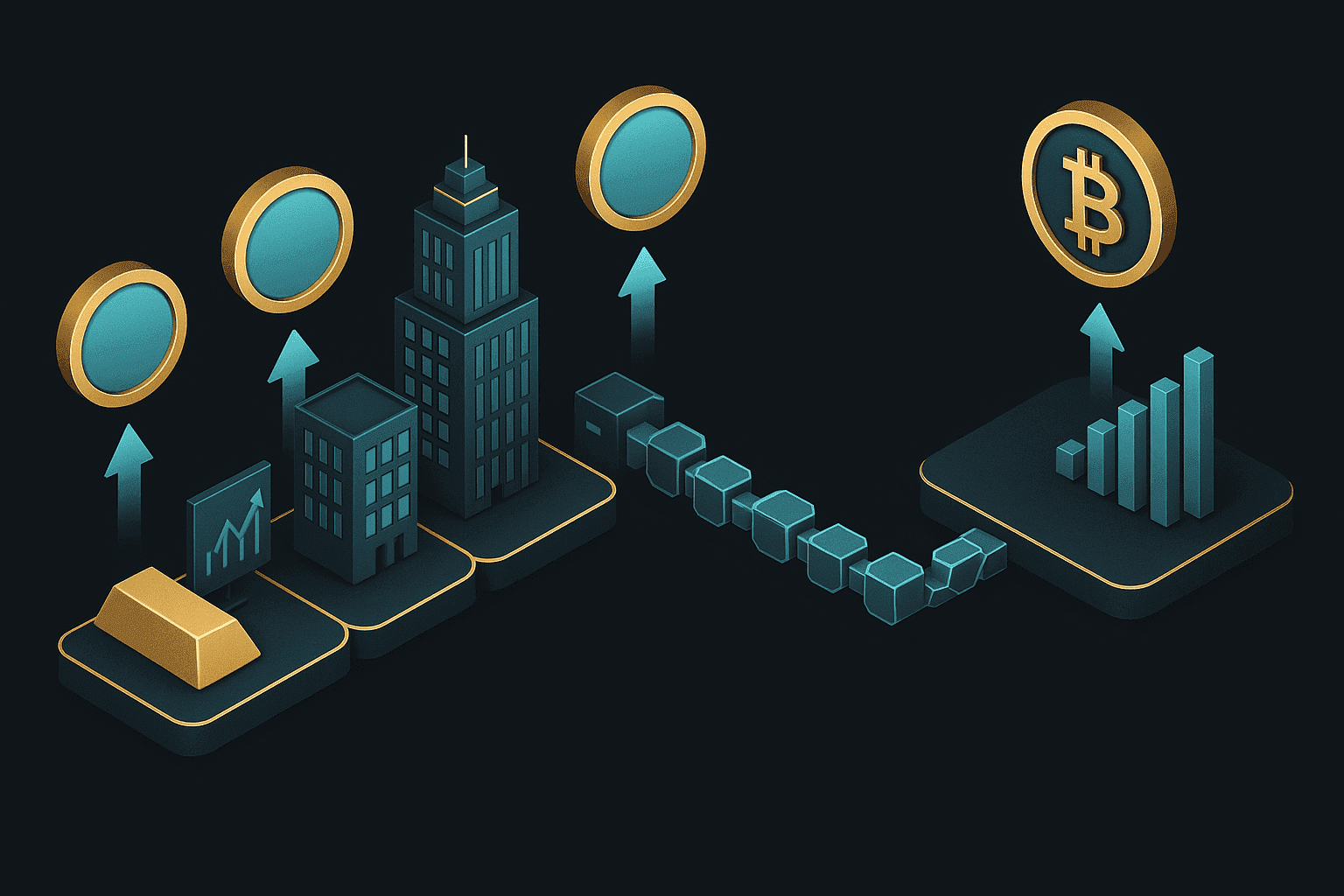
La tokenización de Activos del Mundo Real (RWA) está emergiendo como la tendencia definitoria de 2026, con exchanges crypto construyendo rápidamente infraestructura para soportar bonos del tesoro tokenizados, bienes raíces, materias primas y acciones. Esta guía completa examina qué exchanges están liderando la revolución RWA y cómo los activos tokenizados están redefiniendo el trading crypto tradicional.
¿Qué es la Tokenización RWA?
La tokenización RWA convierte activos físicos en tokens basados en blockchain que pueden ser comercializados 24/7, fraccionalizados e integrados en protocolos DeFi. A diferencia de las criptomonedas tradicionales, los tokens RWA están respaldados por activos tangibles como bonos del Tesoro de EE.UU., propiedades inmobiliarias, materias primas como oro y petróleo, o incluso acciones de empresas.
El atractivo es claro: los activos tokenizados combinan la accesibilidad y eficiencia de los mercados crypto con la estabilidad y familiaridad de los activos tradicionales. Los inversores pueden comprar $100 de bienes raíces tokenizados, comercializar bonos del Tesoro de EE.UU. a las 3 AM, o acceder a mercados globales de materias primas sin cuentas de corretaje complejas.
Por Qué 2026 es la Mega-Tendencia RWA
Varios factores han convergido para hacer de 2026 el año revolucionario para la tokenización RWA:
Claridad Regulatoria
La regulación Markets in Crypto-Assets (MiCA) de la UE y las directrices actualizadas de EE.UU. sobre activos tokenizados han proporcionado el marco regulatorio necesario para la adopción institucional. Las principales instituciones financieras ahora pueden ofrecer con confianza productos tokenizados sin incertidumbre regulatoria.
Demanda Institucional
El fondo treasury tokenizado BUIDL de BlackRock alcanzó $500 millones en activos bajo gestión en marzo de 2026, demostrando el apetito institucional por activos tokenizados generadores de rendimiento. Franklin Templeton, Fidelity y JPMorgan han seguido con sus propias ofertas tokenizadas.
Infraestructura Técnica
Las redes de capa 2 como Polygon, Arbitrum y la reciente actualización de Ethereum han hecho que las transacciones de activos tokenizados sean rentables y escalables. Las tarifas de gas para transacciones complejas de tokenización han caído de más de $50 en 2023 a menos de $5 en 2026.
Comportamiento de Búsqueda de Rendimiento
Con los rendimientos crypto disminuyendo y los mercados tradicionales ofreciendo tasas atractivas, los bonos del Tesoro tokenizados que rinden 4-5% proporcionan un punto medio convincente para inversores nativos de crypto que buscan retornos estables.
Tipos de Activos Tokenizados
Bonos del Tesoro Tokenizados
Los bonos del Tesoro de EE.UU. tokenizados en blockchain representan la categoría RWA más grande, con más de $1.2 mil millones en capitalización de mercado en marzo de 2026. Las ofertas populares incluyen BUIDL de BlackRock, Franklin OnChain U.S. Government Money Fund (FOBXX), y el token OUSG de Ondo Finance. Estos proporcionan rendimientos del 4-5% mientras mantienen la seguridad del respaldo del gobierno estadounidense.
Tokenización de Bienes Raíces
La tokenización de bienes raíces comerciales y residenciales permite la propiedad fraccionaria de propiedades premium. Plataformas como RealT, Lofty y Republic Real Estate ofrecen tokens que representan propiedad en propiedades de alquiler, permitiendo a los inversores ganar ingresos por alquiler y apreciar ganancias de valor de propiedad con tan solo $50 de inversión mínima.
Tokens de Materias Primas
Oro, plata, petróleo y productos agrícolas están siendo tokenizados para proporcionar exposición directa a materias primas. Pax Gold (PAXG) sigue siendo la oferta de oro tokenizado más grande, mientras que nuevos participantes como Agrotoken ofrecen exposición a futuros de soja, trigo y maíz. Estos tokens a menudo proporcionan mejor liquidez que los ETF de materias primas tradicionales.
Tokenización de Acciones
Las acciones tokenizadas permiten el trading 24/7 de acciones principales en exchanges crypto. Mirror Protocol fue pionero en acciones sintéticas, mientras que plataformas más nuevas ofrecen propiedad directa de acciones tokenizadas. Esto permite a los traders crypto acceder a exposición de acciones tradicionales sin dejar su entorno de trading preferido.
Panorama Regulatorio para Trading RWA
El entorno regulatorio para tokens RWA varía significativamente por jurisdicción y tipo de activo. En Estados Unidos, los valores tokenizados caen bajo supervisión de la SEC y requieren registro apropiado o exenciones. El marco MiCA de la UE proporciona directrices más claras para tokens referenciados a activos respaldados por materias primas o monedas fiduciarias.
Singapur ha emergido como líder en regulación RWA, con la Autoridad Monetaria de Singapur (MAS) creando marcos específicos para bonos y fondos tokenizados. Las regulaciones crypto favorables de Suiza han atraído a numerosos emisores de activos tokenizados a establecer operaciones allí.
Las consideraciones regulatorias clave incluyen:
- Custodia y segregación apropiada de activos subyacentes
- Auditorías regulares y reportes de prueba de reservas
- Requisitos de protección al inversor y divulgación
- Cumplimiento anti-lavado de dinero (AML) y conoce a tu cliente (KYC)
- Restricciones de trading transfronterizo e implicaciones fiscales
Top 5 Exchanges Crypto para Tokenización RWA
Basado en nuestro análisis de variedad de activos, volumen de trading, cumplimiento regulatorio y experiencia de usuario, aquí están los mejores exchanges crypto para trading RWA en 2026:
1. Coinbase - Grado A (89.2)
Fortalezas RWA: Cumplimiento regulatorio, custodia institucional, integración de treasury tokenizados
Coinbase lidera en adopción RWA con integración directa de productos Treasury tokenizados y un marco regulatorio claro para tokens respaldados por activos. El exchange ofrece trading sin problemas de BUIDL, FOBXX y otros activos tokenizados de grado institucional. La posición regulatoria de Coinbase en EE.UU. y UE lo convierte en la opción más segura para instituciones ingresando a mercados RWA.
Activos RWA Disponibles: Treasuries tokenizados (BUIDL, FOBXX), oro tokenizado (PAXG), tokens inmobiliarios selectos, fondos del mercado monetario
Características Clave: Custodia institucional, servicios de prime brokerage, rampas fiat directas de entrada/salida, reporte fiscal integral para activos tokenizados
2. OKX - Grado A (87.8)
Fortalezas RWA: Selección diversa de activos, integración de wallet Web3, accesibilidad global
OKX ha construido el ecosistema de trading RWA más completo, soportando treasuries tokenizados, tokens inmobiliarios, tokens de materias primas y acciones sintéticas. El wallet Web3 del exchange se integra perfectamente con protocolos de activos tokenizados, y sus licencias globales permiten acceso RWA desde la mayoría de jurisdicciones.
Activos RWA Disponibles: Espectro completo incluyendo treasuries, REITs, materias primas (oro, plata, petróleo), acciones sintéticas, tokens agrícolas
Características Clave: Soporte RWA multi-cadena, yield farming con activos tokenizados, trading de margen cruzado, interfaz RWA mobile-first
3. Binance - Grado B+ (83.4)
Fortalezas RWA: Alta liquidez, amplia base de usuarios, tarifas competitivas
Binance ofrece trading RWA sólido con enfoque en activos tokenizados de alta liquidez. Aunque su selección es más limitada que OKX, los activos que sí soportan se benefician del volumen de trading masivo de Binance y spreads ajustados. El exchange ha sido cauteloso en la expansión RWA debido a preocupaciones regulatorias en varias jurisdicciones.
Activos RWA Disponibles: Principales treasuries tokenizados, tokens de oro, exposición selecta a materias primas, acciones tokenizadas emitidas por Binance (regiones limitadas)
Características Clave: Alta liquidez, descuento BNB en tarifas de trading RWA, contratos de futuros en activos tokenizados, productos de ahorro para tokens generadores de rendimiento
4. Bybit - Grado B+ (82.1)
Fortalezas RWA: Enfoque en derivados, productos innovadores, herramientas profesionales
Bybit se ha diferenciado en mercados RWA al ofrecer productos derivados en activos tokenizados. Los traders pueden acceder a futuros perpetuos en oro tokenizado, tokens treasury e índices inmobiliarios. Este enfoque derivados-primero atrae a traders activos buscando oportunidades de apalancamiento y cobertura.
Activos RWA Disponibles: Oro y plata tokenizados, tokens treasury, productos de índices RWA, materias primas sintéticas
Características Clave: Futuros perpetuos RWA, margen unificado para activos tokenizados, copy trading para portafolios RWA, servicios institucionales prime
5. Gate.io - Grado B (79.6)
Fortalezas RWA: Adopción RWA temprana, ofertas diversas, tarifas competitivas
Gate.io estuvo entre los primeros exchanges principales en adoptar tokenización RWA, listando activos tokenizados antes que la mayoría de competidores. Su selección incluye tanto ofertas mainstream como treasuries tokenizados y activos más experimentales como créditos de carbono y tokens de propiedad intelectual.
Activos RWA Disponibles: Treasuries tokenizados, tokens inmobiliarios, créditos de carbono, tokens IP, cestas de materias primas
Características Clave: Tarifas más bajas para trading RWA, incubación de proyectos startup, minería de liquidez para nuevos tokens RWA, soporte API completo
Matriz de Comparación de Características
| Exchange | Variedad de Activos | Estatus Regulatorio | Liquidez | Tarifas | Mejor Para |
|---|---|---|---|---|---|
| Coinbase | Limitada pero alta calidad | Excelente (US/EU conforme) | Alta para activos principales | Prima más alta por seguridad | Instituciones, traders US |
| OKX | Más completa | Bueno (Multi-jurisdicciones) | Alta en todas categorías | Competitiva | Exposición RWA diversa |
| Binance | Selectiva pero líquida | Variable por región | Más alta en general | Más baja con BNB | Trading RWA alto volumen |
| Bybit | Enfocada en derivados | Mejorando | Buena para derivados | Competitiva | Trading derivados RWA |
| Gate.io | Experimental + mainstream | Adecuado | Varía por activo | Muy competitiva | Adopción RWA temprana |
Consideraciones Clave al Tradear Tokens RWA
Custodia y Seguridad
A diferencia de las criptomonedas tradicionales, los tokens RWA derivan su valor de activos físicos subyacentes que deben ser custodiados apropiadamente. Verifique que los emisores de activos tokenizados usen custodios reputables y proporcionen attestaciones regulares de tenencias de activos. Busque auditorías de terceros y reportes de prueba de reservas.
Riesgos de Liquidez
Muchos activos tokenizados tienen menor liquidez que las principales criptomonedas, especialmente durante estrés de mercado. Verifique la profundidad del libro de órdenes y volúmenes de trading históricos antes de comprometer capital significativo. Considere órdenes límite y evite órdenes de mercado para posiciones grandes.
Cambios Regulatorios
Las regulaciones RWA están evolucionando rápidamente. Manténgase informado sobre desarrollos regulatorios en su jurisdicción y prepárese para restricciones potenciales en ciertos activos tokenizados. Algunos exchanges pueden necesitar delisting de tokens RWA si las regulaciones cambian desfavorablemente.
Implicaciones Fiscales
Los activos tokenizados pueden tener tratamiento fiscal complejo, especialmente cuando los activos subyacentes generan ingresos (como pagos de alquiler de tokens inmobiliarios o intereses de tokens treasury). Consulte con profesionales fiscales familiarizados con la tributación de activos digitales.
El Futuro del Trading RWA
La tokenización RWA está aún en sus primeras etapas, con crecimiento significativo esperado durante 2026 y más allá. Desarrollos clave a observar incluyen:
- Integración de Monedas Digitales de Banco Central (CBDC) con tokens RWA
- Gestores de activos tradicionales lanzando más productos tokenizados
- Mejoras de interoperabilidad inter-cadena para trading RWA sin fricciones
- Soluciones de custodia institucional específicamente diseñadas para activos tokenizados
- Estandarización regulatoria a través de jurisdicciones principales
Comenzando con Trading RWA
Para principiantes interesados en exposición RWA, comience con treasuries tokenizados altamente líquidos y bien establecidos como BUIDL o FOBXX. Estos proporcionan rendimientos estables con menor complejidad que tokens inmobiliarios o de materias primas. A medida que gane experiencia, diversifique gradualmente en otras categorías de activos tokenizados.
Traders avanzados pueden querer explorar derivados RWA en Bybit o participar en provisión de liquidez para nuevos tokens RWA. Siempre conduzca due diligence exhaustiva en los activos subyacentes y emisores antes de invertir.
Conclusión
La tokenización RWA representa un cambio fundamental en cómo los activos tradicionales son accedidos y comercializados. Los exchanges liderando esta transformación—Coinbase para cumplimiento regulatorio, OKX para variedad, Binance para liquidez, Bybit para derivados, y Gate.io para innovación—cada uno ofrece ventajas distintas para diferentes tipos de traders RWA.
A medida que el mercado RWA madura durante 2026, espere mayor adopción institucional, claridad regulatoria y productos innovadores que difuminen las líneas entre finanzas tradicionales y crypto. Para traders dispuestos a navegar este panorama evolutivo, la tokenización RWA ofrece acceso sin precedentes a mercados de activos globales 24/7.
Explore Nuestros Rankings de Exchanges
Compare puntajes detallados para todos los exchanges en nuestros rankings comprehensivos. Para insights más profundos en nuestra metodología de evaluación, visite nuestra página marco de puntuación. Manténgase actualizado en desarrollos RWA a través de nuestro contenido educativo CryptoScorer Academy.