
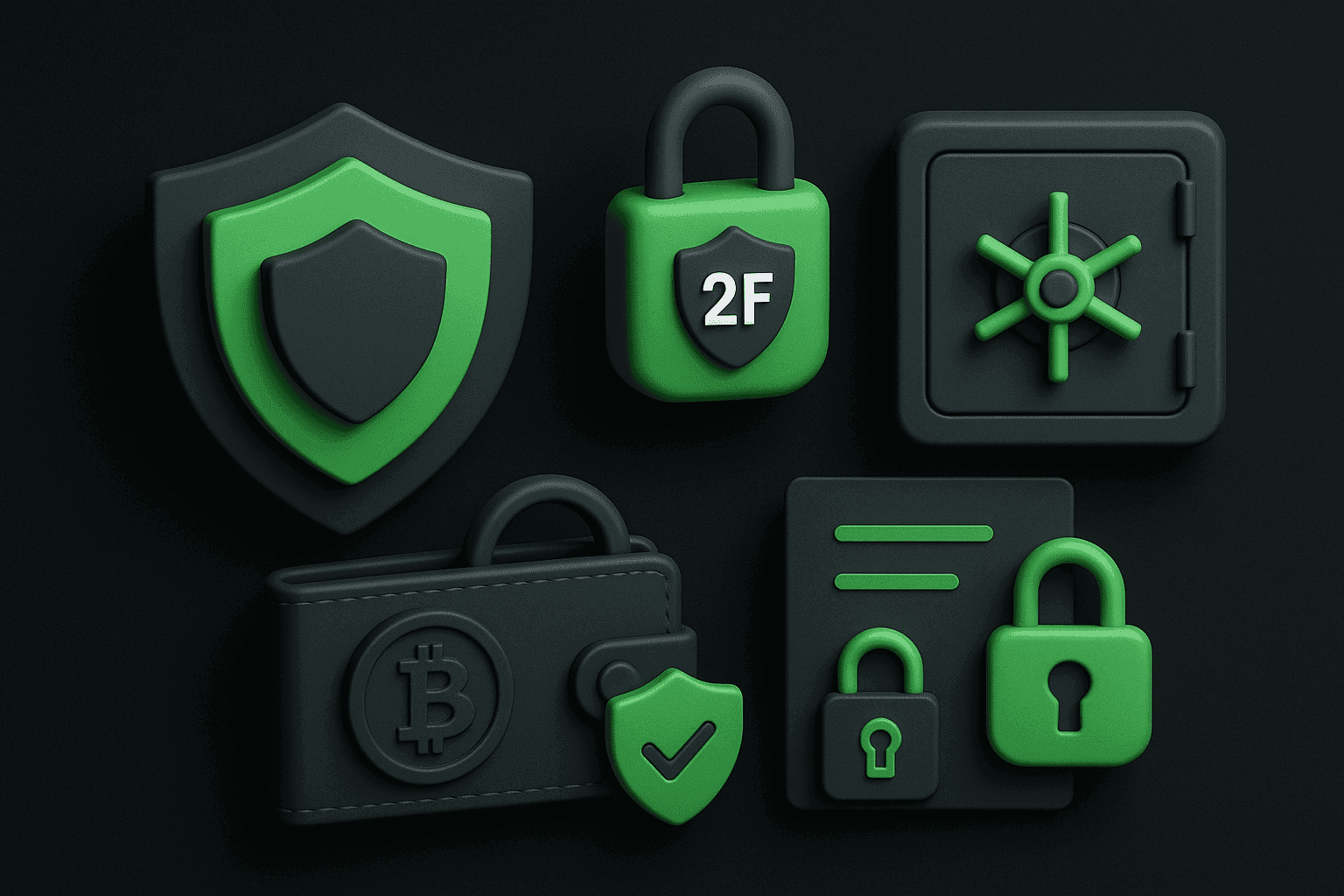
Sicurezza Exchange Crypto: Come Proteggere i Tuoi Asset
Le violazioni sicurezza exchange sono costate agli utenti miliardi di dollari nell'ultimo decennio. Dal collasso di Mt. Gox agli hack più recenti, la storia delle crypto è piena di racconti ammonitori sul fidarsi delle piattaforme centralizzate. Tuttavia, con pratiche sicurezza appropriate e attenta selezione exchange, puoi ridurre significativamente il tuo rischio beneficiando ancora della liquidità e funzionalità che gli exchange forniscono.
Questa guida copre come valutare la sicurezza exchange, implementare best practice sicurezza personali, comprendere i trade-off tra custodia exchange e auto-custodia e sviluppare una strategia sicurezza comprensiva. Per le nostre classifiche exchange complete inclusi punteggi sicurezza, vedi /exchanges. Per aiuto nella scelta dell'exchange giusto, controlla il nostro framework selezione.
Comprendere i Fondamenti Sicurezza Exchange
La sicurezza exchange opera su livelli multipli. Comprendere questi livelli ti aiuta a valutare le piattaforme e implementare protezioni appropriate.
Hot Wallet vs Cold Storage
La fondazione della sicurezza exchange è come i fondi sono conservati:
Hot Wallet (Storage Online)
- Scopo: Gestire operazioni giornaliere come depositi, prelievi e trading
- Vantaggi: Transazioni veloci, processi automatizzati, liquidità immediata
- Rischi: Connessi a internet, vulnerabili agli hack, presi di mira dagli attaccanti
- Best Practice: Gli exchange dovrebbero minimizzare i saldi hot wallet
Cold Storage (Storage Offline)
- Scopo: Conservare la maggioranza dei fondi utenti offline
- Vantaggi: Protetti da attacchi online, sicurezza air-gapped
- Rischi: Accesso più lento, potenziale perdita chiavi offline, complessità operativa
- Best Practice: Il 95%+ dei fondi dovrebbe essere in cold storage
Warm Wallet (Storage Semi-Hot)
- Scopo: Storage intermedio tra hot e cold wallet
- Caratteristiche: Richiedono processi manuali ma ancora accessibili
- Caso d'uso: Prelievi grandi che superano i limiti hot wallet
Sicurezza Multi-Signature
I wallet multi-signature (multisig) richiedono chiavi multiple per autorizzare transazioni:
Come Funziona
- Distribuzione Chiavi: Parti multiple tengono chiavi diverse
- Requisiti Soglia: es. 3-di-5 firme necessarie per prelievo
- Distribuzione Geografica: Chiavi conservate in location fisiche diverse
- Separazione Ruoli: Individui o sistemi diversi controllano chiavi diverse
Benefici Sicurezza
- Nessun singolo punto di fallimento
- Previene furto insider
- Riduce impatto compromissione chiavi
- Permette governance e processi approvazione
Assicurazione e Protezioni Finanziarie
L'assicurazione non previene hack ma può fornire opzioni recupero:
Tipi Copertura Assicurativa
- Assicurazione Hot Wallet: Copre fondi in storage online
- Assicurazione Cold Storage: Rara ma copre rischi storage offline
- Assicurazione Crimine: Copre furto dipendenti e frode
- Errori & Omissioni: Copre errori operativi
- Responsabilità Cyber: Copre violazioni dati e attacchi cyber
Limitazioni Assicurazione
- Gli importi copertura possono essere inferiori ai fondi utenti totali
- Processi claim complessi ed esclusioni
- Potrebbero non coprire tutti i tipi perdite
- I claim possono richiedere mesi o anni per risolversi
Come Valutare la Sicurezza Exchange
Prima di fidarti di un exchange con i tuoi fondi, valuta sistematicamente le loro pratiche sicurezza:
Track Record Sicurezza
Le performance passate indicano future pratiche sicurezza:
Analisi Storia Hack
- Violazioni Precedenti: L'exchange è stato hackerato prima?
- Qualità Risposta: Come hanno gestito l'incidente?
- Compensazione Utenti: Gli utenti colpiti sono stati risarciti completamente?
- Miglioramenti Sicurezza: Quali cambi sono stati implementati dopo?
- Trasparenza: Hanno fornito report incidenti dettagliati?
Storia Hack Exchange Principali
| Exchange | Anno | Importo Perso | Compensazione Utenti | Status Attuale |
|---|---|---|---|---|
| Mt. Gox | 2014 | 850.000 BTC | Parziale (in corso) | Bancarotta |
| Binance | 2019 | 7.000 BTC | Completa (fondo SAFU) | Attivo, sicurezza rafforzata |
| KuCoin | 2020 | $280M | Rimborso completo | Attivo, sicurezza migliorata |
| FTX | 2022 | $8B+ | Bancarotta in corso | Defunto |
| Crypto.com | 2022 | $35M | Rimborso completo | Attivo, sicurezza migliorata |
Proof of Reserves (PoR)
Proof of Reserves dimostra che un exchange tiene abbastanza criptovaluta per coprire i saldi utenti:
Cosa Cercare
- Aggiornamenti Regolari: Reporting PoR mensile o tempo reale
- Audit Terze Parti: Verifica indipendente delle riserve
- Copertura Completa: Tutti gli asset principali inclusi
- Verifica Merkle Tree: Gli utenti possono verificare la loro inclusione
- Reporting Responsabilità: Breakdown chiaro obbligazioni utenti
Per informazioni dettagliate su PoR, vedi la nostra guida Proof of Reserves.
Valutazione Infrastruttura Sicurezza
Misure Sicurezza Tecniche
- Percentuale Cold Storage: Il 95%+ dei fondi dovrebbe essere offline
- Implementazione Multi-Signature: Gestione chiavi distribuita
- Hardware Security Module (HSM): Storage chiavi tamper-resistant
- Audit Sicurezza Regolari: Valutazioni sicurezza terze parti
- Programmi Bug Bounty: Incentivi per ricercatori sicurezza
- Penetration Testing: Simulazioni attacco regolari
Sicurezza Operativa
- Screening Dipendenti: Background check e clearance sicurezza
- Controlli Accesso: Permessi basati ruolo e monitoraggio
- Sicurezza Fisica: Data center e uffici sicuri
- Risposta Incidenti: Procedure documentate per eventi sicurezza
- Programmi Compliance: Aderenza a standard sicurezza
Funzionalità Sicurezza Piattaforma
- Two-Factor Authentication (2FA): Metodi autenticazione multipli
- Whitelist Prelievi: Indirizzi prelievo pre-approvati
- Lock Temporali: Ritardi per prelievi grandi o sospetti
- Whitelist IP: Limitare accesso a indirizzi IP approvati
- Gestione Device: Monitorare e controllare device autorizzati
- Gestione Sessione: Logout automatici e monitoraggio sessioni
Best Practice Sicurezza Personali
Anche l'exchange più sicuro non può proteggerti da fallimenti sicurezza personali. Implementa queste pratiche per proteggere il tuo account e fondi:
Fondamenti Sicurezza Account
Autenticazione Forte
- Password Uniche: Usa password diverse e complesse per ogni exchange
- Password Manager: Strumenti come 1Password, Bitwarden o LastPass
- Two-Factor Authentication: Abilita sempre 2FA usando app authenticator
- Evita SMS 2FA: Attacchi SIM swapping rendono SMS vulnerabile
- Codici Backup: Conserva codici backup 2FA sicuramente
- Aggiornamenti Regolari: Cambia password periodicamente
Sicurezza Email
- Email Dedicata: Usa indirizzi email separati per account crypto
- Email 2FA: Abilita two-factor authentication sugli account email
- Provider Sicuri: Usa provider email rispettabili con sicurezza forte
- Awareness Phishing: Sii estremamente cauto con link email
- Monitoraggio Email: Controlla regolarmente accesso non autorizzato
Misure Sicurezza Avanzate
Sicurezza Prelievi
- Whitelist Prelievi: Permetti solo prelievi a indirizzi pre-approvati
- Ritardi Temporali: Abilita ritardi 24-48 ore per prelievi grandi
- Conferme Email: Richiedi conferma email per tutti i prelievi
- Verifica Indirizzo: Controlla sempre doppio gli indirizzi prelievo
- Transazioni Test Piccole: Testa prima con importi piccoli
Controlli Accesso
- Whitelist IP: Limita accesso a indirizzi IP noti
- Restrizioni Geografiche: Blocca accesso da location sospette
- Gestione Device: Monitora e controlla device autorizzati
- Monitoraggio Sessioni: Rivedi regolarmente sessioni attive
- Notifiche Login: Abilita alert per tutti i tentativi login
Privacy e Sicurezza Operativa
- Uso VPN: Considera VPN per privacy aggiuntiva (controlla ToS exchange)
- Evitare WiFi Pubblico: Mai accedere agli exchange su reti pubbliche
- Sicurezza Browser: Usa browser dedicati per attività crypto
- Sicurezza Device: Mantieni device aggiornati e usa software antivirus
- Social Media: Non discutere holdings o attività trading pubblicamente
Trade-off Auto-Custodia vs Custodia Exchange
Comprendere quando tenere fondi sugli exchange versus nei tuoi wallet è cruciale per bilanciare sicurezza e funzionalità.
Vantaggi Auto-Custodia
Benefici Sicurezza
- Controllo Completo: Tu controlli le chiavi private
- Nessun Rischio Controparte: I fallimenti exchange non affettano i tuoi fondi
- Nessun Rischio Piattaforma: Immune agli hack exchange e freeze
- Privacy: Le transazioni non passano attraverso piattaforme centralizzate
- Resistenza Censura: Nessuno può congelare i tuoi fondi
Benefici Flessibilità
- Accesso DeFi: Interazione diretta con protocolli decentralizzati
- Opzioni Staking: Staking nativo senza intermediari
- Accesso Cross-Chain: Usa fondi attraverso blockchain diverse
- Nessun Limite Prelievo: Muovi qualsiasi importo in qualsiasi momento
Svantaggi Auto-Custodia
Rischi e Responsabilità
- Gestione Chiavi: Rischio perdere chiavi private o seed phrase
- Nessun Recupero: Chiavi perse significano fondi persi per sempre
- Complessità Tecnica: Richiede conoscenza tecnica e attenzione
- Rischi Hardware: Fallimento device, furto fisico o danni
- Errore Umano: Inviare a indirizzi sbagliati, errori copia
Limitazioni Operative
- Nessuna Funzionalità Trading: Tipi ordine e strumenti limitati
- Accesso Liquidità: Deve trasferire agli exchange per trading
- Commissioni Gas: Commissioni rete per tutte le transazioni
- Velocità: Tempi conferma blockchain
- User Experience: Più complesso delle interfacce exchange
Approccio Ibrido: Il Meglio di Entrambi i Mondi
La maggior parte degli utenti esperti adotta un approccio ibrido che bilancia sicurezza con funzionalità:
Strategia Allocazione Fondi
- Holdings Long-term (70-90%): Conserva in hardware wallet
- Trading Attivo (5-20%): Tieni sugli exchange per accesso immediato
- Attività DeFi (5-20%): Hot wallet connessi a protocolli DeFi
- Fondo Emergenza (5-10%): Facilmente accessibile attraverso piattaforme
Diversificazione Piattaforma
- Exchange Multipli: Non mettere tutti i fondi trading su una piattaforma
- Spread Geografico: Usa exchange in giurisdizioni diverse
- Ridondanza Hardware: Hardware wallet multipli in location diverse
- Piani Recupero: Strategie backup multiple per scenari diversi
Sicurezza Hardware Wallet
Gli hardware wallet forniscono la migliore sicurezza per storage long-term, ma setup e uso appropriati sono cruciali:
Scegliere Hardware Wallet
Criteri Valutazione
- Chip Sicurezza: Elemento sicuro o protezione equivalente
- Open Source: Firmware e software verificabili
- Supporto Asset: Compatibilità con le tue criptovalute
- User Experience: Interfaccia intuitiva e processo setup
- Reputazione: Track record e fiducia community
- Supporto: Aggiornamenti regolari e servizio clienti
Opzioni Hardware Wallet Popolari
- Ledger Nano X/S: Più popolare, supporto asset ampio, elemento sicuro
- Trezor Model T/One: Open source, buona reputazione, funzionalità estensive
- BitBox02: Focus sicurezza svizzero, design semplice, completamente open source
- Coldcard: Solo Bitcoin, funzionalità sicurezza massime, operazione air-gapped
Best Practice Hardware Wallet
Setup Iniziale
- Compra Diretto: Acquista da produttori o rivenditori autorizzati
- Verifica Autenticità: Controlla sigilli olografici e anti-tampering
- Ambiente Sicuro: Setup in ambiente privato, offline
- Genera Seed Nuovo: Usa sempre seed phrase generate nuove
- Verifica Seed: Conferma che il backup seed phrase funzioni prima di finanziare
Sicurezza Continua
- Aggiornamenti Firmware: Mantieni firmware aggiornato ma verifica autenticità
- Sicurezza Fisica: Conserva device sicuramente quando non in uso
- Sicurezza Seed Phrase: Backup multipli sicuri, geograficamente distribuiti
- Protezione PIN: Usa PIN forti e abilita anti-tampering
- Verifica Transazioni: Verifica sempre indirizzi sullo schermo device
Preparazione Emergenze e Pianificazione Recupero
Preparati per vari scenari emergenza che potrebbero affettare l'accesso ai tuoi fondi:
Emergenze Relative Exchange
Hack o Fallimento Exchange
- Risposta Immediata: Cambia password su tutte le altre piattaforme
- Monitoraggio Account: Controlla tutti gli altri account exchange per attività sospette
- Documentazione: Raccogli prova di saldi e transazioni
- Consultazione Legale: Considera opzioni legali se i fondi sono significativi
- Tracking Recupero: Monitora comunicazioni ufficiali su recupero fondi
Lockout Account
- Backup 2FA: Mantieni codici backup sicuri e accessibili
- Verifica Identità: Mantieni documentazione KYC aggiornata
- Customer Support: Sappi come contattare supporto exchange efficacemente
- Accesso Alternativo: Mantieni account su piattaforme multiple
Emergenze Sicurezza Personali
Perdita Accesso Account
- Recupero Password: Backup password manager sicuri
- Recupero 2FA: Codici backup conservati separati dai device
- Accesso Email: Accesso backup agli account email
- Sostituzione Device: Piani per sostituire device persi/rotti
Emergenze Hardware Wallet
- Accesso Seed Phrase: Location backup sicure multiple
- Sostituzione Device: Conosci procedure recupero per il tuo tipo wallet
- Device Alternativi: Hardware o software wallet compatibili
- Supporto Tecnico: Informazioni contatto per produttori wallet
Componenti Piano Recupero
Documentazione
- Inventario Account: Lista tutti account exchange e wallet
- Informazioni Recupero: Codici backup, seed phrase, password
- Informazioni Contatto: Supporto exchange, contatti legali, aiuto tecnico
- Istruzioni: Procedure recupero step-by-step
- Aggiornamenti Regolari: Mantieni piano recupero aggiornato con cambi account
Storage Sicuro
- Copie Fisiche: Backup carta in location sicure
- Copie Digitali: File crittografati su device separati
- Distribuzione Geografica: Backup in location fisiche multiple
- Controlli Accesso: Individui fidati con accesso limitato se necessario
- Testing Regolare: Testa periodicamente procedure recupero
Red Flag: Quando Evitare un Exchange
Alcuni segnali avvertimento sicurezza dovrebbero farti immediatamente riconsiderare l'uso di una piattaforma:
Red Flag Sicurezza Critici
Red Flag Tecnici
- Nessun Cold Storage: Afferma di tenere tutti i fondi in hot wallet
- Nessuna Opzione 2FA: Mancanza di two-factor authentication
- Sicurezza Piattaforma Povera: Nessun HTTPS, gestione sessioni debole
- Nessuna Conferma Prelievo: Prelievi istantanei senza verifica
- Codice Sospetto: Sicurezza website povera o codice malevolo
Red Flag Operativi
- Hack Recenti Maggiori: Specialmente con risposta povera o nessuna compensazione
- Problemi Prelievo: Report di prelievi congelati o ritardati
- Nessuna Proof of Reserves: Rifiuto dimostrare disponibilità fondi
- Nessuna Assicurazione: Nessuna protezione per fondi utenti
- Team Anonimo: Fondatori o management sconosciuti
Red Flag Business
- Problemi Normativi: Multe, sanzioni o revoche licenze
- Problemi Finanziari: Problemi cash flow o rumor bancarotta
- Problemi Customer Service: Supporto non responsivo o ostile
- Volume Falso: Volumi trading artificialmente gonfiati
- Promesse Irrealistiche: Rendimenti garantiti o investing "risk-free"
Costruire la Tua Strategia Sicurezza Personale
Sviluppa una strategia sicurezza comprensiva che corrisponda alla tua tolleranza rischio e necessità trading:
Valutazione Rischio
Valuta il Tuo Profilo Rischio
- Dimensione Portfolio: Holdings più grandi richiedono sicurezza più forte
- Expertise Tecnica: La tua capacità gestire misure sicurezza complesse
- Attività Trading: Frequenza e dimensione trade
- Fattori Geografici: Regolamentazioni locali e rischi
- Risorse Recupero: Capacità recuperare da perdite
Threat Modeling
- Rischi Exchange: Hack, fallimenti, problemi normativi
- Rischi Personali: Furto device, phishing, social engineering
- Rischi Esterni: Sequestro governo, dispute familiari, eredità
- Rischi Tecnici: Bug software, errori utenti, vulnerabilità protocollo
Implementazione Sicurezza
Strategia Difesa Stratificata
- Sicurezza Piattaforma: Scegli exchange con pratiche sicurezza forti
- Sicurezza Account: Implementa tutte le funzionalità sicurezza disponibili
- Sicurezza Device: Sicura tutti i device usati per attività crypto
- Sicurezza Rete: Connessioni internet sicure ed evita WiFi pubblico
- Sicurezza Fisica: Proteggi hardware e materiali backup
Manutenzione Sicurezza Regolare
- Riviste Mensili: Controlla attività account e impostazioni sicurezza
- Aggiornamenti Trimestrali: Aggiorna password, rivedi piani recupero
- Valutazioni Annuali: Rivista strategia sicurezza completa
- Preparazione Incidenti: Testing regolare procedure emergenza
Punti Chiave
- La sicurezza è multi-livello: Combina sicurezza exchange, pratiche personali e custodia appropriata
- La selezione exchange conta: Scegli piattaforme con track record sicurezza provati
- La sicurezza personale è cruciale: Autenticazione forte e sicurezza operativa sono essenziali
- La diversificazione riduce il rischio: Non mettere tutti i fondi su una piattaforma
- Auto-custodia per holdings long-term: Hardware wallet per fondi che non fai trading attivamente
- Abbi un piano recupero: Preparati per vari scenari emergenza
- Rimani informato: Pratiche sicurezza e minacce evolvono costantemente
- Bilancia sicurezza e usabilità: Trova il trade-off giusto per la tua situazione
Per valutazioni sicurezza exchange dettagliate e classifiche, visita /exchanges. Per imparare di più su argomenti sicurezza specifici, controlla le nostre guide su Proof of Reservese selezione exchange. Per informazioni su considerazioni normative, vedi la nostra guida KYC.